
Managing your money well doesn’t have to be complicated or stressful. By developing simple budget habits, you can take control of your finances, reduce money worries, and make smarter choices every day. Whether you’re new to budgeting or looking for practical ways to improve your habits, these tips can help you build a solid financial foundation.
Why Budget Habits Matter
A budget is more than just numbers on a page; it’s a plan for your money that helps you live within your means and save for what matters. Good budgeting habits encourage mindful spending, prevent debt, and create opportunities for future goals such as travel, home ownership, or retirement.
Simple Budget Habits to Adopt
1. Track Your Spending Daily
One of the easiest ways to start budgeting is by keeping an eye on what you spend. This doesn’t mean writing down every penny in a notebook, but rather checking your card transactions or using a budgeting app. By reviewing spending regularly, you can spot unnecessary purchases and adjust your habits.
– Use apps like Mint, YNAB, or your bank’s tools.
– Save receipts or take photos for small cash purchases.
– Set a daily reminder to check your spending.
2. Create a Realistic Monthly Budget
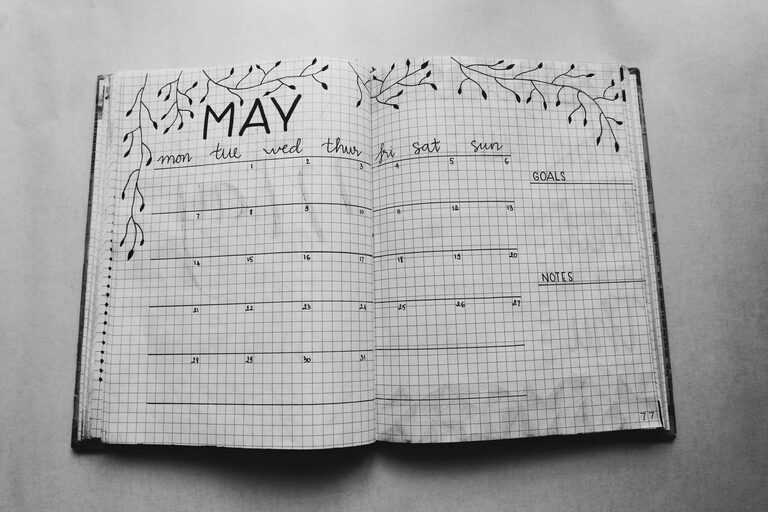
Knowing how much money comes in and goes out each month is fundamental. Begin by listing all your income sources, then note down fixed expenses like rent, bills, and subscriptions. Finally, allocate money for essentials and a bit for fun.
– Base your budget on actual expenses, not guesswork.
– Include categories like groceries, transport, and entertainment.
– Leave a small buffer for unexpected costs.
3. Set Spending Limits for Categories
Assigning limits to different spending categories helps you avoid overspending. For example, decide on a set amount for dining out or online shopping each month. When you reach that limit, try to avoid extra spending in that category until the next budget period.
– Use envelopes or separate bank accounts for cash budgeting.
– Track category spending weekly to stay on target.
– Adjust limits as needed based on experience.
4. Prioritise Saving Automatically
Saving money often falls by the wayside if it relies solely on willpower. Make saving a priority by automating it. Set up a standing order to transfer a fixed amount to a savings account right after payday.
– Aim to save at least 10% of your income, if possible.
– Have separate accounts for emergency funds and goals.
– Treat savings like a monthly bill you can’t miss.
5. Plan Meals and Groceries
Food can be a big expense if not managed well. Planning meals ahead helps you buy only what you need, reducing waste and unnecessary trips to the shops.
– Make a weekly meal plan and shopping list.
– Buy in bulk for staples and freeze extras.
– Look out for seasonal produce and special offers.
6. Avoid Impulse Purchases
Impulse buying can quickly derail a budget. Before making non-essential purchases, pause and ask yourself if it’s really necessary.
– Use the 24-hour rule: wait a day before buying.
– Unsubscribe from marketing emails to avoid temptation.
– Limit visits to shops or websites where you tend to overspend.
7. Review and Adjust Your Budget Monthly
Life changes and so might your income or expenses. Regularly reviewing your budget ensures it stays relevant and realistic.
– Check actual spending against your budget.
– Identify areas where you can save more or need to allocate more funds.
– Celebrate small wins to stay motivated.
Additional Tips to Support Your Budget
– Use cash for discretionary spending: Physically handing over cash can make you more aware of spending.
– Set financial goals: Short-term and long-term goals keep you focused on the bigger picture.
– Reduce subscriptions: Cancel services you don’t use regularly.
– Shop around: Compare prices for utilities, insurance, and groceries to save.
Final Thoughts
Simple budget habits don’t require a drastic lifestyle change, just consistency and a mindful approach. By tracking your spending, setting realistic budgets, automating savings, and avoiding impulse buys, you can improve your financial wellbeing without feeling deprived. Remember, the goal of budgeting is to empower you to make choices that bring peace of mind and help you achieve your dreams.
Start small, keep it manageable, and build habits that will serve you well for years to come. Your future self will thank you!
About the Author