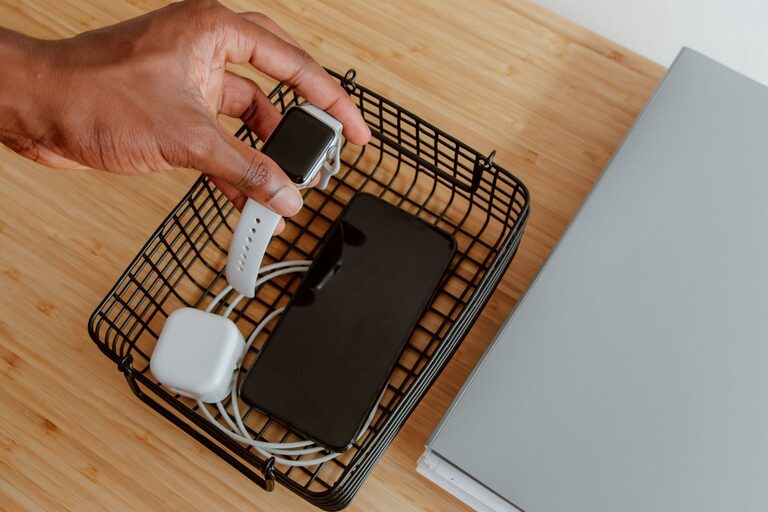

In today’s digital world, smartphones are an essential part of our daily lives. They keep us connected, informed, and entertained. However, excessive or unbalanced phone use can affect our mental and physical health, disrupt sleep, and reduce productivity. Developing healthy phone habits is crucial for maintaining balance and wellbeing in a world filled with constant notifications and digital distractions.
In this post, we’ll explore practical strategies for maintaining healthy phone habits, helping you stay in control and enjoy the benefits of technology without the downsides.
—
Why Healthy Phone Habits Matter
Before diving into specific tips, it’s important to understand why managing phone use is beneficial:
– Improved focus and productivity: Reducing unnecessary screen time helps you concentrate better on tasks.
– Better sleep: Using phones less before bed reduces exposure to blue light that interferes with sleep patterns.
– Mental clarity: Less time on social media and news apps can lower stress and anxiety.
– Enhanced relationships: Being present during conversations without phone distractions strengthens connections.
– Physical health: Avoiding prolonged phone use reduces eye strain and neck pain.
—
Tips for Maintaining Healthy Phone Habits
1. Set Specific Usage Limits
Having clear boundaries around phone use can prevent overindulgence.
– Use built-in screen time trackers available on most smartphones to monitor usage.
– Set daily time limits for social media, games, or other apps.
– Schedule “phone-free” periods, like during meals or the first hour after waking up.
2. Create No-Phone Zones
Designate areas where phone use is discouraged to foster real-world interactions and reduce distractions.
– Keep phones out of the bedroom to improve sleep quality.
– Avoid phones at the dining table to encourage mindful eating and conversation.
– Limit phone use in common areas when spending time with family or friends.
3. Turn Off Non-Essential Notifications
Constant notifications can fragment attention and increase stress.
– Disable notifications from apps that aren’t urgent or important.
– Use Do Not Disturb mode during work hours, meetings, or relaxation times.
– Consider using “focus” or “quiet” modes to minimise interruptions.
4. Practice Mindful Phone Use
Being aware of how and why you use your phone helps build healthier habits.
– Ask yourself if checking your phone is necessary or just a habit.
– Use your phone purposefully, rather than as a boredom filler.
– Avoid aimless scrolling on social media by setting intentions before opening apps.
5. Use Technology to Support Healthy Habits
Leverage apps and settings designed to encourage mindful usage.
– Enable night mode or blue light filters to reduce eye strain in the evening.
– Use apps that promote digital wellbeing by tracking screen time and suggesting breaks.
– Set reminders to take regular pauses from your screen.
6. Prioritise Real-Life Connections
Phones can either enhance or hinder social interaction; it’s important to choose the former.
– When meeting people, keep phones on silent or out of sight.
– Encourage phone-free social events to focus on conversations.
– Use video calls and messaging mindfully—avoid letting digital chats replace face-to-face time.
—
Managing Phone Use at Work and Study
Phones can be valuable tools for work and learning but also sources of distraction.
– Keep your phone on silent or in another room while working or studying.
– Use apps that block distracting sites or limit social media during work hours.
– Schedule short, timed breaks to check your phone rather than constant interruptions.
—
Healthy Phone Habits for Children and Teens
Young people are particularly vulnerable to excessive phone use, so guidance is important.
– Set clear, consistent rules about when and where phones can be used.
– Encourage outdoor activities and hobbies that don’t involve screens.
– Model healthy phone habits as parents or caregivers to influence behaviour.
—
Overcoming Common Challenges
Changing habits is rarely easy. Here are some tips to stay on track:
– Start small: Gradual changes are more sustainable than drastic ones.
– Replace phone time with enjoyable alternatives, like reading or walking.
– Track progress and celebrate successes to motivate yourself.
– Seek support from friends or family who share similar goals.
—
Conclusion
Maintaining healthy phone habits doesn’t mean giving up technology; it’s about using it in ways that support your overall wellbeing and daily goals. By setting clear limits, creating mindful routines, and prioritising real-world connections, you can enjoy the benefits of your smartphone without feeling overwhelmed or distracted.
Remember, the aim is balance: your phone is a tool to enhance life, not control it. Start with small changes today and experience the positive impact of healthier phone habits.
—
Feel free to share your own tips and experiences with healthy phone use in the comments below!
About the Author