
Building a reading habit is a rewarding way to enrich your knowledge, relax your mind, and broaden your perspectives. However, many people struggle to make reading a regular part of their day. If you’re looking to develop a simple, sustainable reading habit, this guide will offer clear, practical advice to help you get started and stick with it.
Why Build a Reading Habit?
Before diving into tips, it’s helpful to understand why cultivating a reading habit makes a positive difference:
– Mental stimulation: Reading keeps your brain active and engaged.
– Stress reduction: Immersing yourself in a good book can be a great way to unwind.
– Knowledge expansion: Books open new windows of information and ideas.
– Improved focus and concentration: Regular reading challenges your ability to focus on a task over time.
– Better vocabulary and writing skills: Exposure to different writing styles and words enhances communication.
With these benefits in mind, let’s explore how to build a reading habit without feeling overwhelmed.
Step 1: Choose Enjoyable Reading Material
The first step to a lasting habit is enjoying what you read. Think about topics or genres that naturally interest you, whether it’s fiction, biographies, science, history, or self-help. You’re more likely to stick with reading if it feels like a pleasure rather than a chore.
Tips for choosing reading material:
– Ask friends or family for recommendations.
– Browse bestseller lists or book reviews online.
– Visit a local library or bookshop and scan shelves for eye-catching titles.
– Try short stories, articles, or magazines to start if full-length books seem daunting.
Step 2: Set Realistic Reading Goals
Setting achievable goals helps build momentum, but it’s important not to aim too high at first. Small goals are easier to reach and create positive reinforcement.
Ideas for realistic goals:
– Read one page or one chapter a day.
– Dedicate 10 minutes to reading each day.
– Finish one book a month.
– Read during a specific time, such as before bed or during your commute.
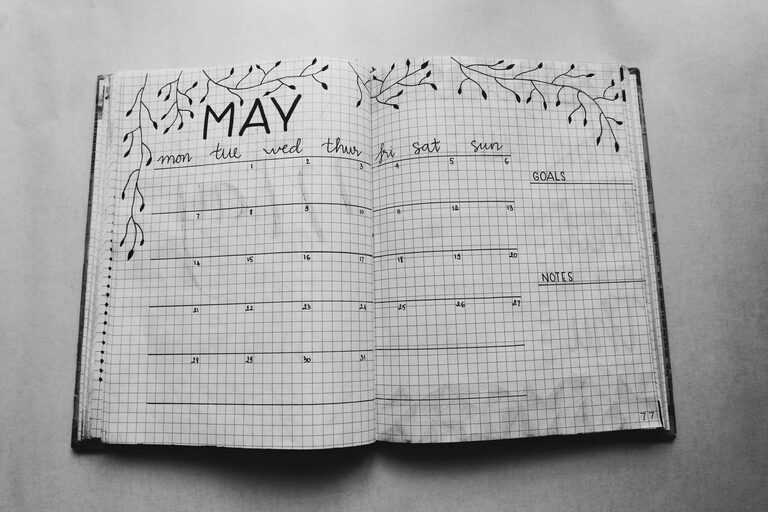
Track your progress using a journal or a reading app to stay motivated.
Step 3: Create a Comfortable Reading Environment
A welcoming space encourages you to settle in and enjoy reading. Consider the following when designing your reading nook:
– Choose a quiet spot with good lighting.
– Have a comfy chair, cushion, or blanket.
– Minimise distractions by silencing your phone or switching off the TV.
– Keep your reading material and bookmarks easily accessible.
A pleasant environment makes reading feel like a treat.
Step 4: Make Reading Part of Your Daily Routine
Habits form best when linked to existing routines or specific times. Experiment with different times of day to find what works for you.
Suggestions for integrating reading:
– Read first thing in the morning to start your day thoughtfully.
– Swap screen time after dinner for a book.
– Use breaks or waiting times for a quick reading session.
– Follow your meals with a chapter instead of scrolling your phone.
Consistency is key – aim to read every day, even if only for a few minutes.
Step 5: Mix It Up with Different Formats
Reading doesn’t have to mean only physical books. Mixing formats can keep things fresh and convenient.
Options to consider:
– E-books on tablets or e-readers.
– Audiobooks, especially for listening during walks or chores.
– Magazines or newsletters on topics you enjoy.
– Online articles from trustworthy sources.
This flexibility helps maintain interest and fits reading smoothly into varied lifestyles.
Step 6: Join a Reading Community
Sharing your reading journey can boost motivation and enrich the experience.
Ways to connect with fellow readers:
– Join local or online book clubs.
– Follow book bloggers or social media groups.
– Participate in reading challenges.
– Exchange book recommendations with friends.
Engagement with others makes reading more social and fun.
Step 7: Be Patient and Flexible
Building any habit takes time and effort. Don’t be discouraged by occasional busy days or slow progress. Adapt your goals and approach as needed without pressure.
Keep in mind:
– It’s normal to have days when you don’t read.
– Reading at your own pace is better than forcing the habit.
– Celebrate small victories, like finishing a chapter or starting a new book.
Remember, the goal is to enjoy reading and make it a positive part of your life.
Final Thoughts
Starting a simple reading habit is about taking small, enjoyable steps that fit your lifestyle. By choosing books you like, setting manageable goals, crafting a cosy reading space, and gradually making reading a daily routine, you can cultivate a fulfilling habit that lasts.
Whether it’s a few pages in the morning or an audiobook during your daily walk, reading can become a joyful and enriching experience in your everyday life. Happy reading!
About the Author