Journaling is a simple yet powerful practice that can help you reflect on your day, organise your thoughts, and improve your overall well-being. If you’ve never tried it before, starting a daily journal might feel a bit daunting. This beginner guide will walk you through the basics of journaling every day, offering practical advice and encouragement to make it a rewarding habit.
Why Journal Every Day?
Daily journaling offers several benefits:
– Mental clarity: Writing down your thoughts helps organise and make sense of them.
– Stress relief: Expressing feelings on paper can reduce anxiety and tension.
– Personal growth: Tracking goals and reflecting on experiences supports self-awareness.
– Creativity boost: Regular writing encourages new ideas and creative thinking.
– Memory improvement: Journaling helps preserve memories and important life events.
Even just a few minutes a day can make a meaningful difference.
Choosing Your Journaling Tools
You don’t need anything fancy to start journaling. Here are some options to choose from:
– A simple notebook: Many people enjoy the tactile experience of pen and paper.
– Digital apps: Apps like Day One, Journey, or even a basic notes app can be convenient.
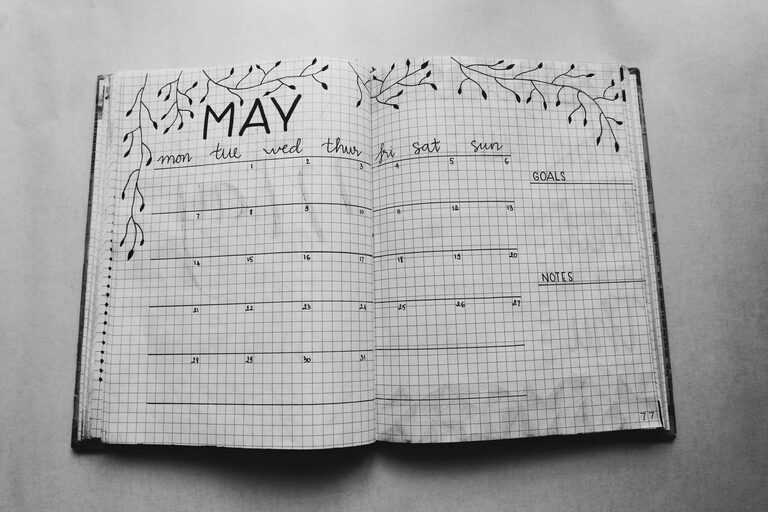
– Bullet journals: A flexible system that combines lists, calendars, and journaling.
Choose what feels comfortable and accessible to you to encourage regular use.
Setting Up Your Daily Journaling Habit
Consistency is key when starting to journal daily. Follow these steps to build your habit:
- **Pick a regular time:** Morning, lunchtime, or before bed – find what fits your schedule.
- **Keep it short to start:** Aim for 5 minutes or 3-5 sentences to avoid overwhelm.
- **Set reminders:** Use alarms or calendar alerts to prompt you.
- **Create a welcoming space:** Find a quiet spot with minimal distractions.
- **Be kind to yourself:** If you miss a day, don’t worry. Just pick up again the next day.
What to Write About When You’re Starting Out
Sometimes the hardest part is knowing what to write. Here are some simple prompts to get you going:
– Daily highlights: What was the best part of your day?
– Gratitude: List 3 things you are thankful for today.
– Thoughts and feelings: How are you feeling right now? Why?
– Goals: What do you want to achieve tomorrow or this week?
– Lessons learned: Did you face any challenges or successes today?
– Stream of consciousness: Just write whatever comes to mind without editing.
You can mix these prompts to keep things fresh.
Tips for Making Journaling Enjoyable
To stay motivated, try these ideas:
– Use colourful pens or stickers: Make your journal visually appealing.
– Experiment with styles: Try writing poetry, sketches, or mind maps.
– Reflect weekly: Review your entries to notice patterns or growth.
– Share with a friend: If comfortable, swap journals or notes for encouragement.
– Celebrate milestones: Reward yourself after a week or month of journaling.
Overcoming Common Challenges
Journaling isn’t always easy. Here are some typical obstacles and how to handle them:
– Not enough time: Even brief entries count. Remember, 5 minutes is okay.
– Perfectionism: Your journal is for your eyes only, so there’s no “wrong” way.
– Writer’s block: Use prompts or doodle until ideas flow.
– Privacy concerns: Keep your journal secure or use password-protected apps.
Remember, the goal is progress, not perfection.
Final Thoughts
Starting a daily journaling habit can open the door to greater mindfulness, self-understanding, and emotional relief. With just a pen and paper or a simple app, you can empower yourself to navigate life’s ups and downs more effectively. Keep it simple, be patient with yourself, and enjoy the journey of discovering your own thoughts on the page.
Why not start today? Your future self will thank you.
About the Author